
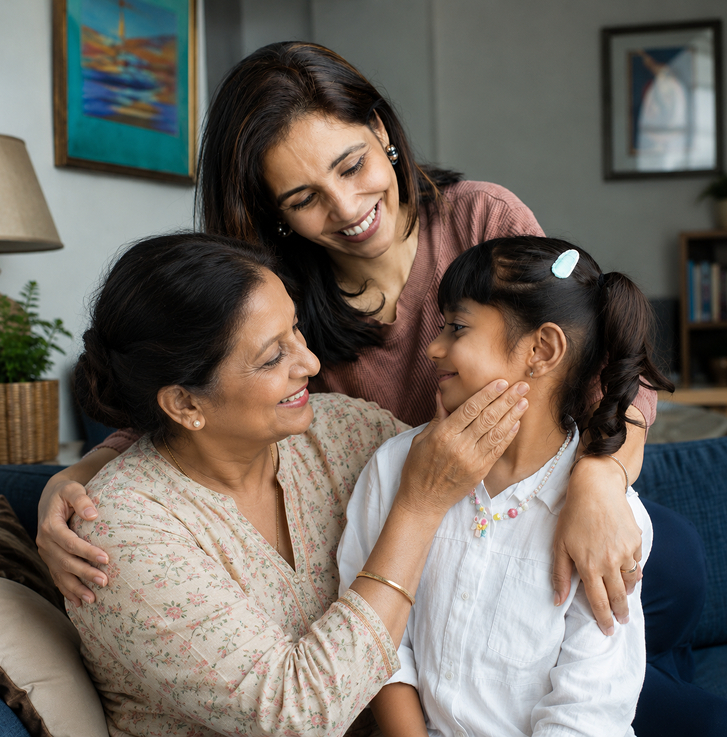
Anemia can affect anyone, but the risk varies across different stages of life[9A]. Children and adolescents need more iron to support rapid growth and development, while women have higher requirements due to menstrual blood loss and pregnancy. In older adults, underlying health conditions and nutritional gaps can further increase vulnerability. Understanding these age-specific risks is key to recognising and addressing anemia early.
Anemia occurs when your body doesn't have enough healthy red blood cells to carry oxygen. The symptoms can often be mistaken for everyday tiredness or stress. But if left unaddressed, they can seriously impact your quality of life. Do you experience any of these regularly?
Listening to your body and recognizing the warning signs of anemia can make a meaningful difference in everyday health and quality of life. For women, especially during pregnancy, anemia can influence not only personal wellbeing but also maternal and family health. Building awareness is an important step toward prevention, care, and healthier communities.